Passive House Design by Certified Passivhaus Architects
As Certified Passive House designers, rjha create comfortable, ultra energy-efficient buildings for environmentally conscious clients and commercial developers. Passive House represents a standard for today—delivering long-term energy and financial resilience for the future. And importantly, it doesn’t need to cost the Earth—either environmentally or financially.
What is Passive House Design?
Passive House (or Passivhaus) is the leading international standard for low-energy building design. Developed in Germany, it is now adopted worldwide. It takes a fabric-first approach, using climate data, intelligent design, and high-performance construction to reduce energy demand at source, rather than relying on complex or energy-intensive systems. The result is simple: buildings that maintain comfort largely through passive means. They require very little energy to heat in winter and are carefully designed to prevent overheating in summer. This is front and centre, with the global concerns of fuel security and rising energy costs.
What makes a building ‘Passive’?
A Passive House is designed to maintain a stable, comfortable internal environment with minimal reliance on heating or cooling. By carefully controlling heat loss and optimising natural heat gains, energy demand can be reduced by up to 90% compared to a typical building. In practice, this means:
- Consistent indoor temperatures throughout the year
- A continuous supply of fresh, filtered air
- Quiet, calm internal environments
- Very low energy consumption/bills
Every Passive House is shaped by five core principles:
1. Energy Efficient Fabric
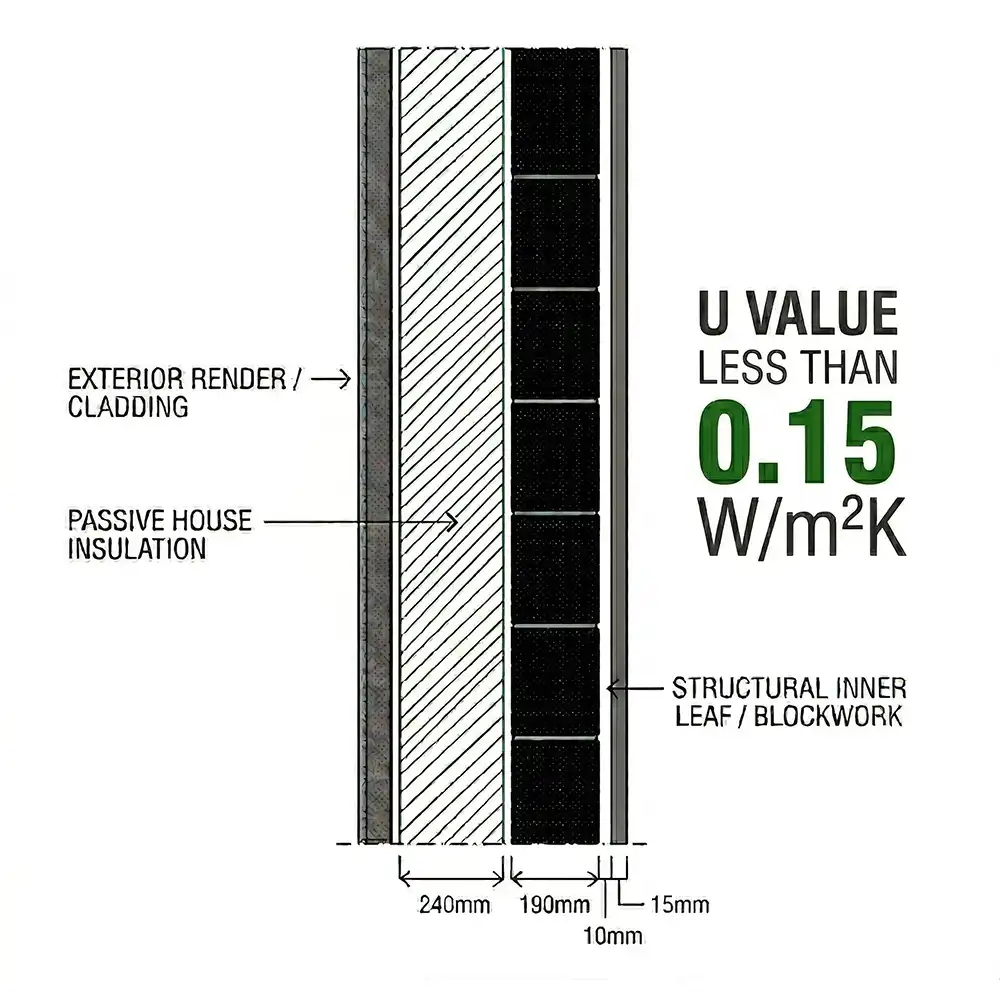 A fabric-first approach with high levels of continuous insulation to minimise heat loss throughout.
2. Air Tightness
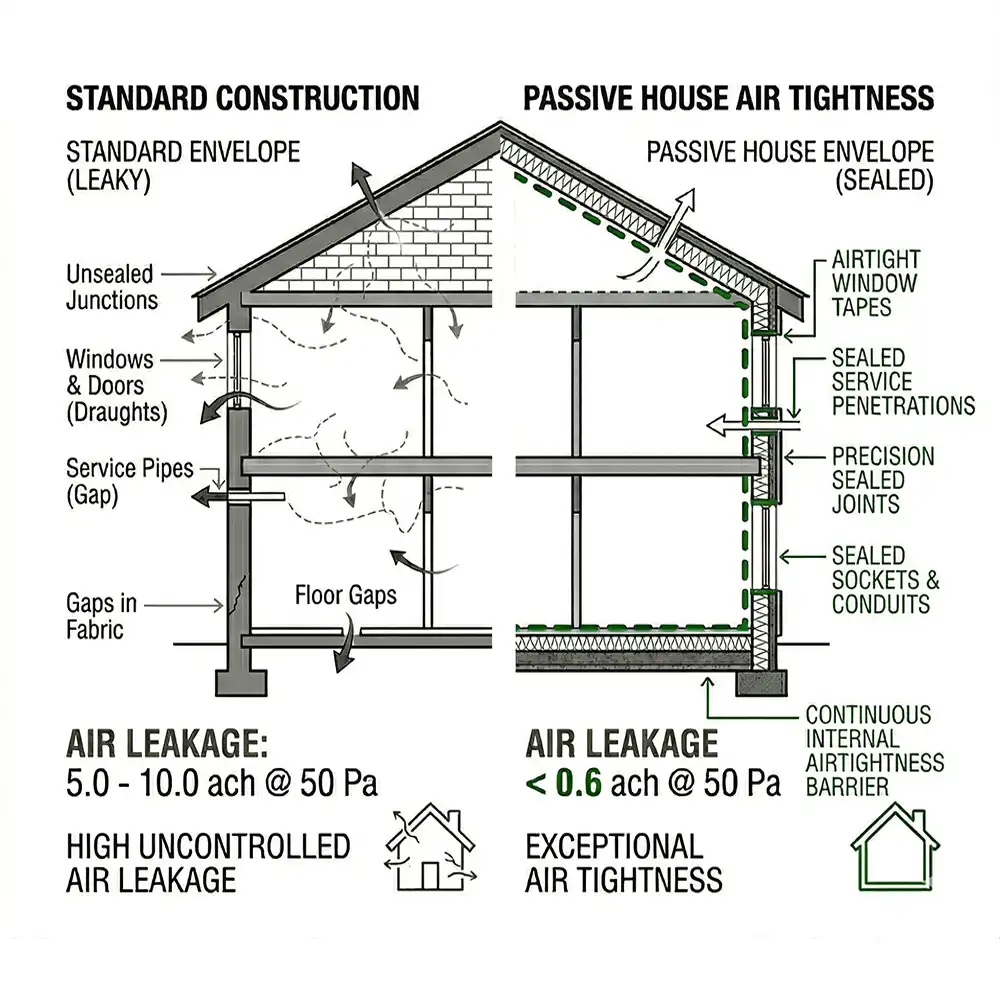 Airtight construction across all junctions, to eliminate uncontrolled heat loss through leaky fabric elements.
3. Low Energy Windows and Doors
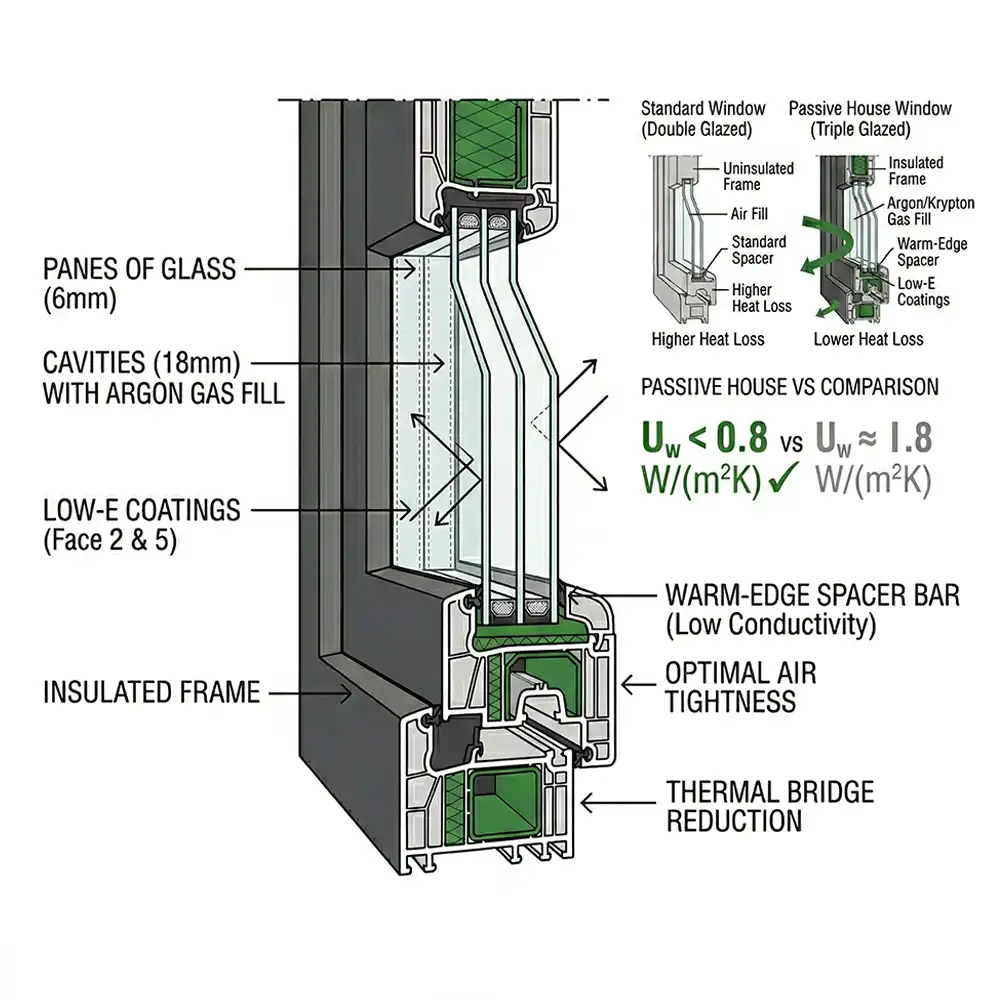 High-performance triple-glazed windows and doors, oriientated to maximise useful solar gains, whilst limiting unwanted solar energy through appropriate shading.
4. Thermal Bridge Free
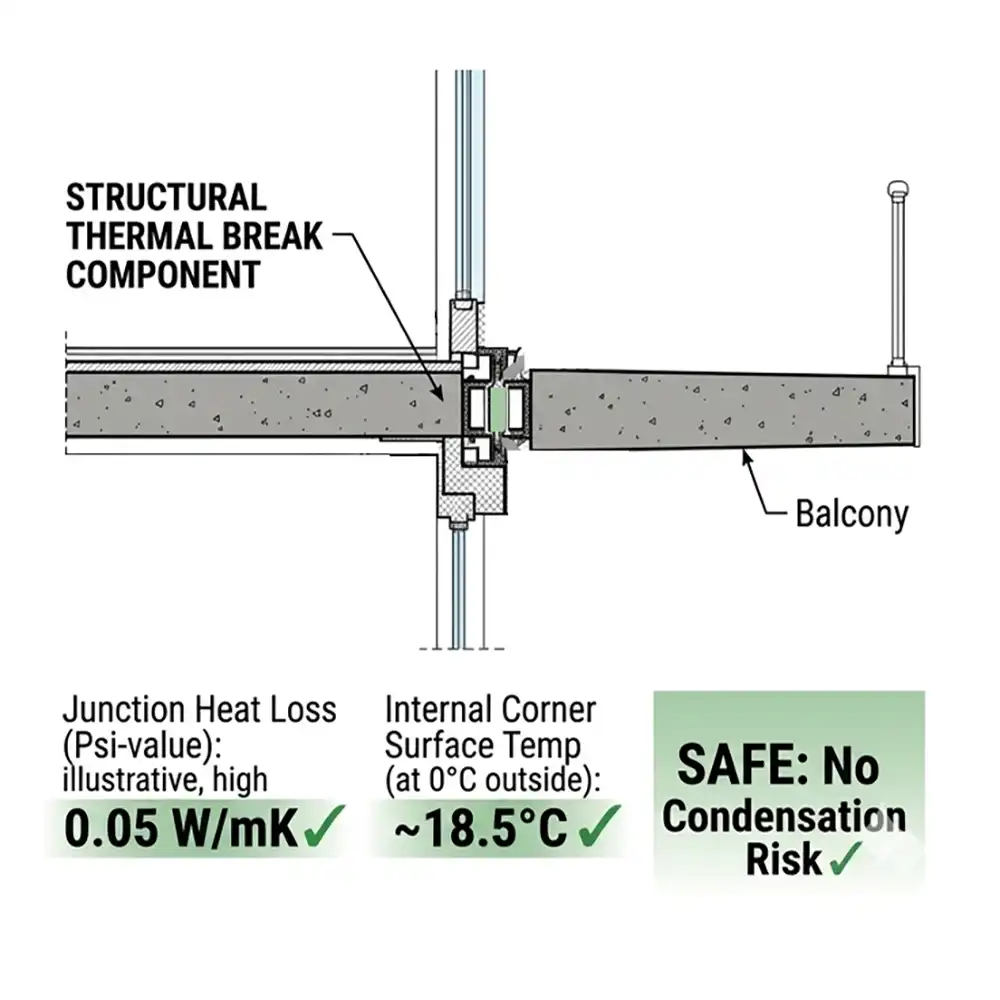 Thermal bridge-free detailing at all junctions, ensuring heatloss is minimised and condensation driven mould is eliminated.
5. MVHR
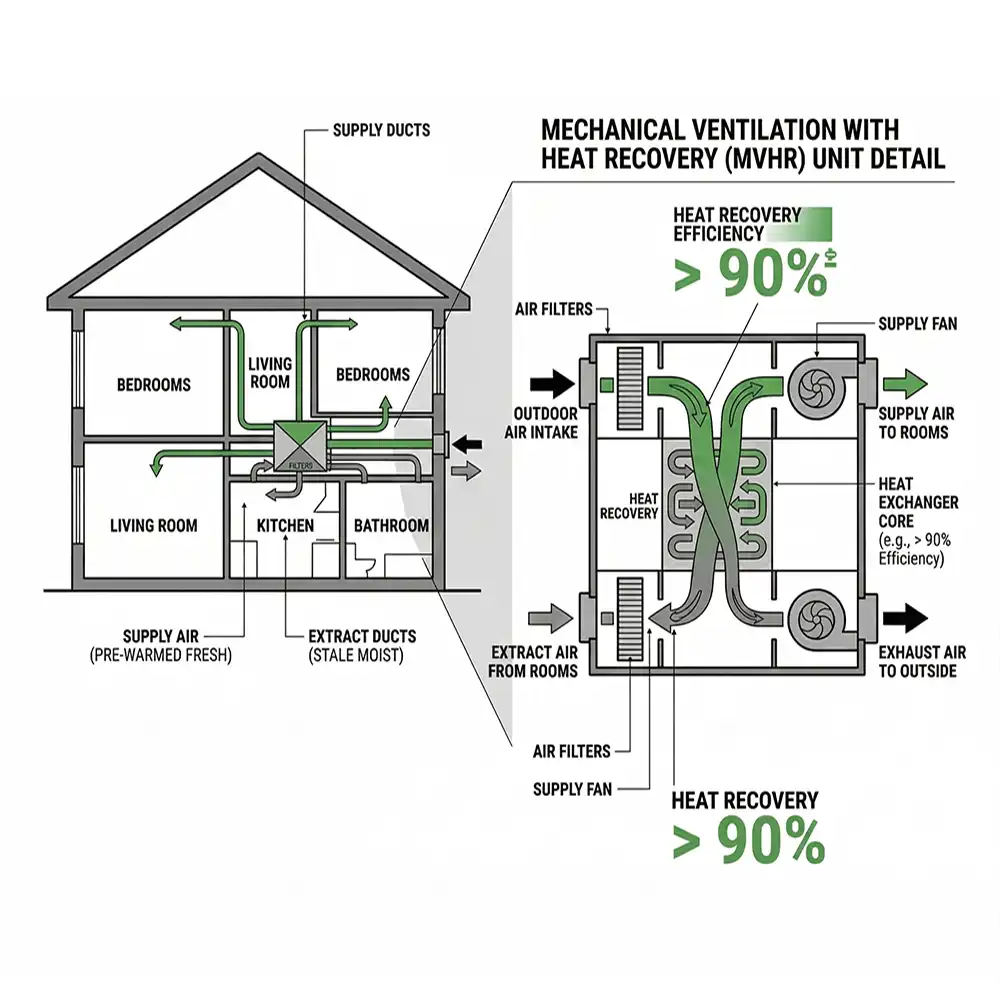 Mechanical ventilation with heat recovery (MVHR) for efficient, balanced airflow, creating a healthy, filtered internal environment.
6. Financial (rjha Core Principle)
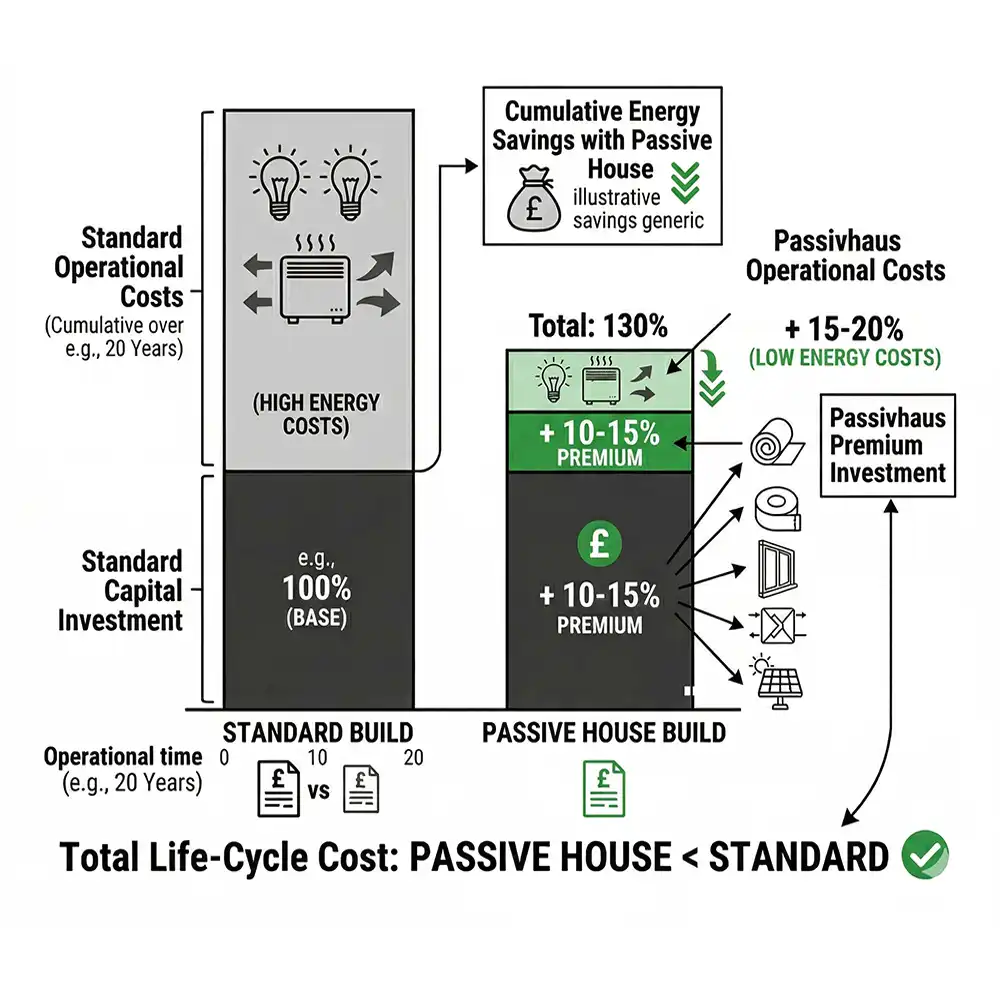 Optimised building design to lower service and fabric costs to balance the Passive House 'premium'.